Have homeschool questions? I’m sharing how we use Gather Round, teach reading, and structure our homeschool days as an eclectic homeschooling family.
If there’s one thing I’ve learned since sharing more about our homeschool and our homeschooling journey, it’s that so many of us moms are asking the same homeschool questions. Whether someone is brand new to the idea of homeschooling, coming out of a public school or private school setting, or just trying to figure out curriculum for the next school year, there are always a lot of questions about what the best way to homeschool really is.
And honestly, I think sometimes homeschooling online or on social media can look a little more polished than it actually is. But the truth is, most days around here look like reading on the couch in the living room with a baby nearby, someone coloring at the table, another child asking for a snack, and me trying to keep us gently moving forward through our school work.
We are very much an eclectic homeschool family with an unschooling bent. I love using unit studies, I love learning together as a family, and I try to leave space for curiosity, real-life learning, and experiences that go beyond just seatwork. For us, home education is less about recreating a traditional school schedule and more about building a meaningful learning experience for our homeschooled kids.
Over the years, I’ve had a lot of moms reach out with common homeschool questions about things like curriculum, daily rhythm, and how we cover core subjects like math, language arts, and reading. Some are new homeschooling parents, some are just exploring curriculum options, and others are simply curious about what homeschooling looks like in real life.
So today I thought it would be fun to sit down and answer a few of those most commonly asked questions about our homeschool — from how we use Gather ‘Round as a homeschool program, to what we do for math and reading, and what our daily rhythm actually looks like.
Let’s jump into some common questions that I receive.
This page may contain affiliate links. To view my full affiliate link disclosure, click here. There are Amazon affiliate links in this post. As an Amazon Associate, I make a small commission from Amazon links in this post. Find our privacy policy, terms of service, and more information about user data by visiting the links above.
Homeschooling Doesn’t Have to Be Perfect to Work
Before we jump into the questions, I just want to say something quickly, because I think it’s easy to forget when we watch other homeschool families online.
Our homeschool isn’t perfect.
What you see in a video or a blog post is just a small glimpse of our day. It might be the moment where we’re gathered around the table doing a lesson together, but what you don’t see are the interruptions, the toddler climbing into my lap, or the moments when something we planned simply doesn’t work that day. The moment I lose my temper and have to apologize.
Real homeschooling looks a lot more like real life.
And when I share our homeschool here, it’s never meant to be a model that anyone needs to copy. I’m simply sharing what learning looks like in our home in hopes that it might inspire another mom. Maybe you see something that works for your family. Maybe it sparks an idea you hadn’t thought of before. And maybe there are things that you realize wouldn’t work in your house at all.
That’s completely okay.
Homeschooling gives us the freedom to build an education that fits our own families, our children, and the season we’re in. So take what works, leave what doesn’t, and don’t feel pressure to do it exactly the way someone else does.
Now let’s dive into some of the questions I’ve been getting.
Question 1: How do you Get Through the Reading in Gather ‘Round?
“Can you explain how you get through the reading with Gather ‘Round? I purchased Farming and Food. My kids are excited about it but the reading portions look so long! I’m already second guessing my choice. Do you read some, do a page or two and then read more? Do you paraphrse? My kids are great at listening to read alouds, but this seems above their heads.”
First, let me say this: you do not have to do Gather Round exactly as written.
One of the biggest mindset shifts in homeschooling is realizing that you are allowed to adapt the curriculum to fit your family. Curriculum serves you — not the other way around.
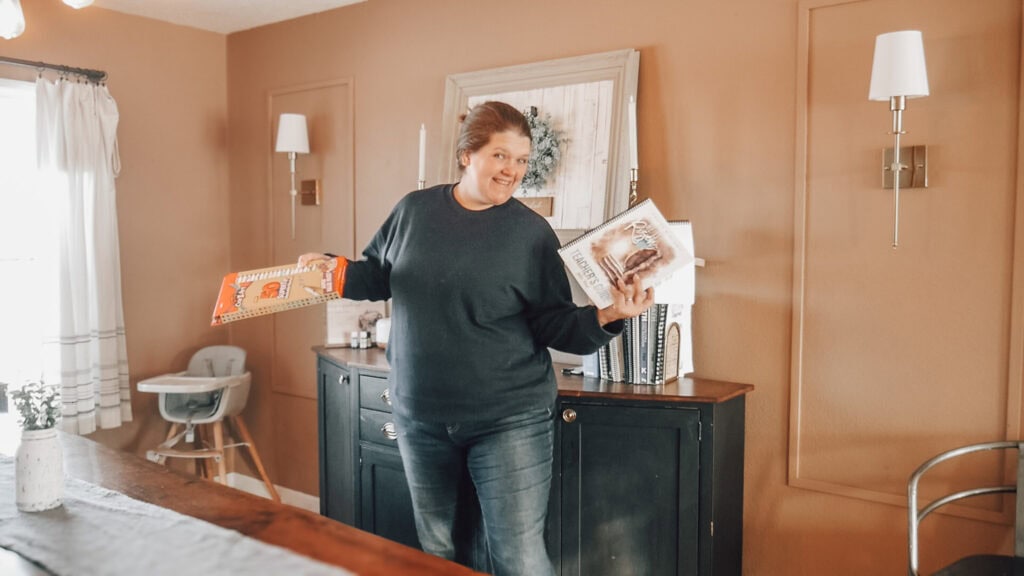
When we sit down to do Gather Round, I usually read the lesson aloud to everyone together. My kids actually do really well with read-aloud time, even when the material is a little above them. Kids often understand more than we think they do.
But I don’t feel any pressure to read the entire lesson perfectly or word-for-word. One thing I didn’t realize at first about the Gather ‘Round curriculum is that it’s color-coded! Or at least most of the units are, I think there are a few older ones that are not. The paragraphs have either a yellow line or a purple line. Yellow is for general reading, and purple is for deeper topics. For the most part, we skip the purple-lined paragraphs, which right away takes the reading down a notch.

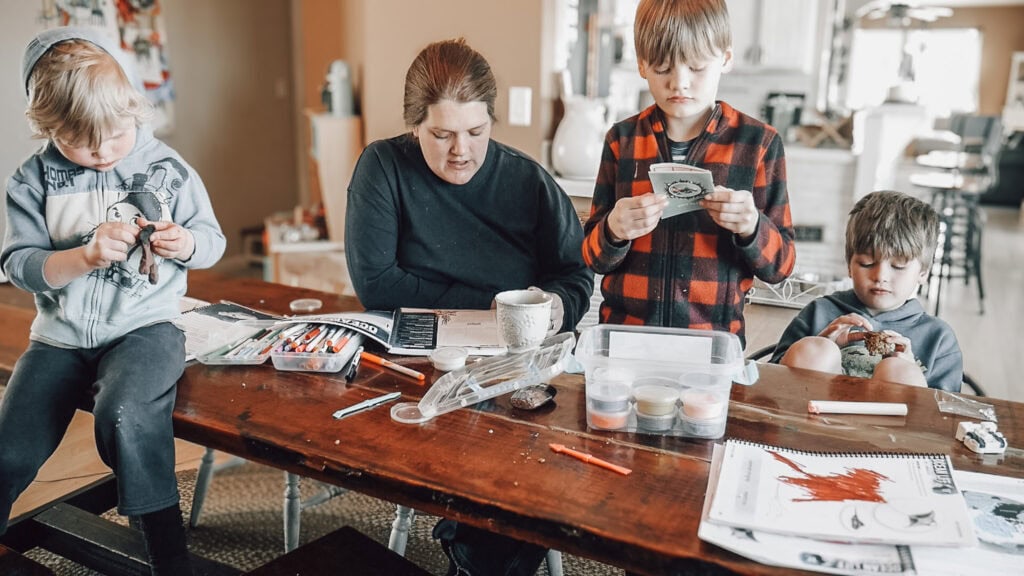
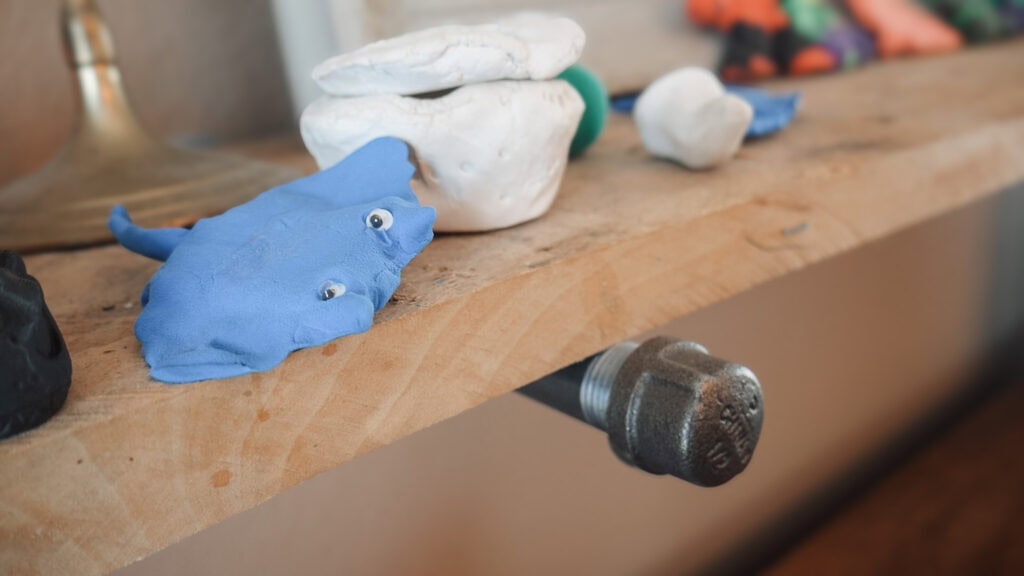
On most days, I get a snack prepared for the kids before we sit down, and then they do their notebooking pages in the student workbooks while I read. If doing the first page, which is often coloring or some other type of drawing, I have clay or Play-Doh ready to go so they can mold something while they listen.
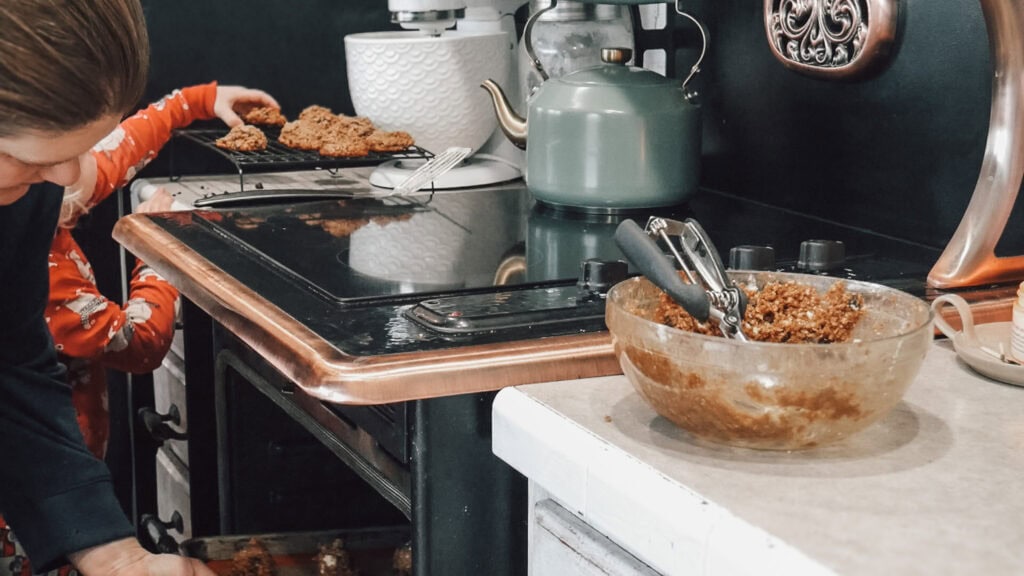
On the day that you see in this week’s video, I made sourdough discard Monster Cookies and dragon fruit for a snack, which they loved. The boys completed their notebooking page and then crafted sting rays from clay while I finished the reading for the day.
There are often interruptions or side conversations about the reading and lesson.
And honestly, sometimes the best learning happens in those little side conversations. Someone asks a question, we go down a rabbit trail, and suddenly we’re learning way more than the lesson originally planned.
If the reading ever feels too long for the day, I skip and paragraphse. To be honest, though, that has only happened a handful of times. There’s no homeschool police keeping track.
And something I’ve learned over time is that exposure matters more than mastery at younger ages. Even if they don’t understand every detail, they’re hearing vocabulary, concepts, and ideas that will stick with them later.
Question 2: Are Lapbooks Confusing? And is Gather ‘Round “dry”?
“Can you share a lapbook flip-through when y’all do those? I’m so confused about lapbooks. Also, I’ve heard people say that Gather ‘Round is “dry” reading, like reading Wikipedia…I’m wondering if those are more Charlotte Mason style families that are used to more wordy or old English language. I love Charlotte Mason philosophy and adopt some of it BUT my kids are not there for the long readings or even chapter books yet (they are 7 and 5). I can’t decide if they’d like Gather ‘Round or not. I love seeing your videos about them!”
First, lapbooks can definitely feel confusing at first. Plus, they are a huge undertaking with younger kids. I’ve only done one, and that was for our Vikings unit. I don’t necessarily regret doing it because it was a great reinforcement for the concepts we were learning, but it took a lot of time, and in the end, was also something I would consider busy work. Would I do them again? Yes, absolutely, but I would make sure it fits within the space and time we have available. I probably wouldn’t do the Viking timeline either because it was just way over my kids, and there was way too much cutting that I had to help with at their ages.
I remember the first time I opened one and thought, Wait… what am I supposed to do with all of these little pieces of paper?
But once you actually start one, it makes a lot more sense.

Think of a lapbook like a hands-on notebook for the unit study. Instead of just writing answers on worksheets, kids are:
- folding little booklets
- cutting pieces out
- gluing information inside
- and building something they can flip through later
It becomes this really fun visual record of everything they learned.
As for Gather Round being “dry,” I think that really depends on the family and what they’re used to.
Some homeschool families follow a very strict Charlotte Mason style, which often uses older literature and more narrative-style books. Compared to that, Gather Round might feel more straightforward or informational. I personally think that the reading is very engaging, colorful, expressive, and has a storytelling and living book feel.
But we also add in living books, videos, hands-on projects, extracurricular activities, field trips, cooking, nature walks, and real-life learning alongside it.
So Gather Round isn’t the only thing we do — it’s more like the spine of our learning for the unit.
And for younger kids like 5 and 7, I think it’s completely okay if you shorten the readings or simplify them. Homeschooling works best when we stay flexible.

Question 3: What do you use for Math and Reading?
“Can you share what you use for math and reading?”
Math and reading have been a struggle over the years. Let’s tackle math first.
What We Use for Math
I’m not a math person. I’m actually pretty unintelligent when it comes to math. I tried really hard at the beginning not to let on that math was/is such a struggle for me, so as not to predispose my learner to my prejudice. We started with what our old curriculum recommended, which was Dimensions Math. That was a train wreck. I can’t even describe how bad it was. I actually think the curriculum moved my learner backwards instead of forward.
We tried to recover the year by going backwards a full grade level and diving into Math with Confidence. I was pleasantly surprised at how gentle it was, and it helped to repair my learner’s relationship with math. I was not convinced it was what I wanted to stick with for this school year.
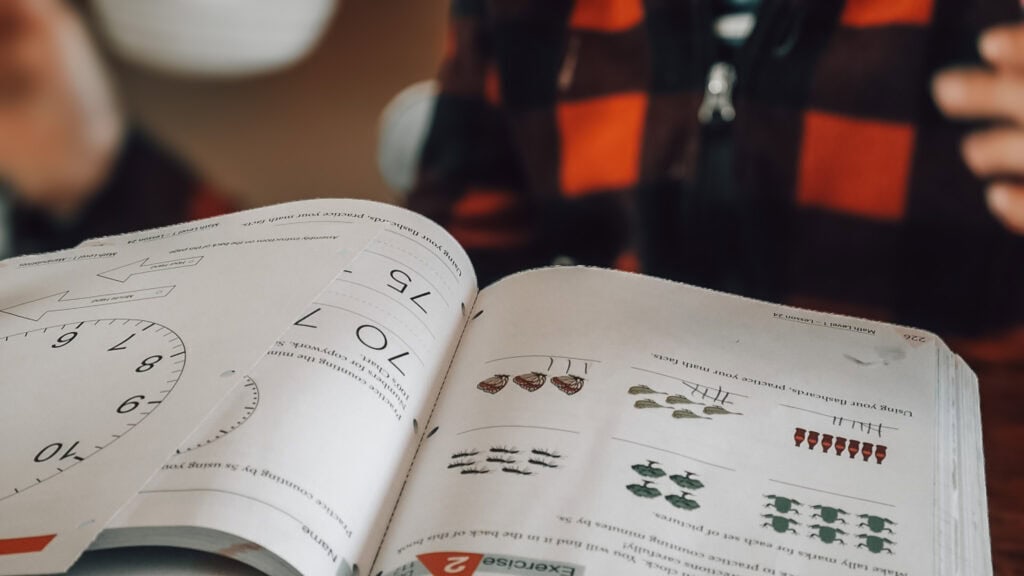
This school year, we’ve used Masterbooks math for both my Kindergartener and 2nd grader. Some people say it’s not a rigorous enough program, but for our family it’s perfect.
We’ve also dabbled in Gather ‘Rounds new math curriculum, and I do think that we will try more of their unit study approach to math, but I’m not entirely sure what that will look like for us.
What We Use for Reading
When it comes to reading, this is one of those core subjects that has looked a little different in each season of our homeschooling journey. I get a lot of questions about it because learning to read can feel like one of the biggest parts of a child’s education. Over the years, I’ve tried a few different curriculum options, and what we’ve landed on now works really well for our homeschooled kids and their different ages and learning stages.
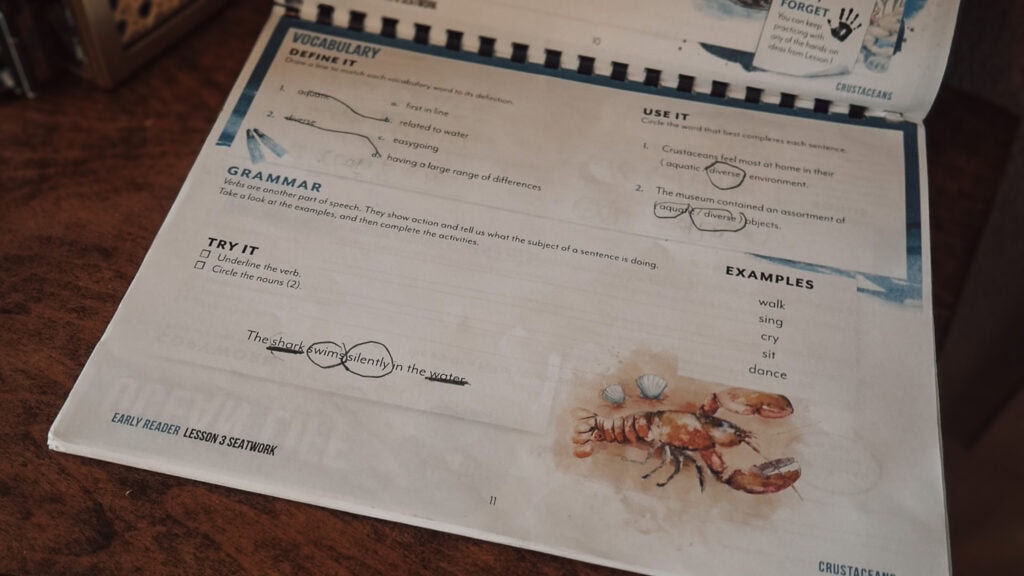
For my oldest, we actually use the Gather ‘Round seat work journals as part of his language arts practice. The seatwork is intentionally short — just a couple of pages a day — but it covers things like handwriting, spelling, vocabulary, and grammar. I love that it keeps his schoolwork consistent without adding a huge workload to our day. Fun little fact, I was pretty rusty on my grammar, so when we first started doing sentence mapping, I made myself a cheatsheet printable that I have available in my printable shops for those who are also a bit rusty!
And then for my oldest two, we also use Reading.com, which has been one of the most helpful online programs we’ve added to our home education. It’s a phonics-based program with short, focused lessons that help children move from recognizing letters to confidently reading words and simple books. The main thing I appreciate is that it reinforces strong reading foundations without requiring a lot of prep from me as a homeschooling mom. The lessons are short, clear, and interactive, which works well in real life when you’re juggling multiple kids and a full day.

For my younger ones, we use Gather Round Letters and Numbers, which has been such a sweet and gentle introduction to learning. It’s very hands-on and open-and-go, which honestly is the best way for us during this season of babies, toddlers, and busy days.
Question 4: Do you have a Daily Routine?
“I was wondering if you could create a video on how you have the energy to stay on top of things? I was also wondring if you have a daily routine for your kids’ day?”
So this message was actually longer, and I answered it in a full blog post and YouTube video. The message was so sweet and kind, and I really connected with her situation. I want to address the last part of her message here, though, and it’s about whether my kids have a daily routine.
Yes… and also no.
We have more of a rhythm than a strict schedule.
With five kids, I’ve learned that rigid schedules just don’t work for us. Someone always needs something; the baby needs to eat, or the day simply goes in a different direction. Plus, my circumstances with working and flow just don’t align with a strict schedule or routine. I’ve been blessed to always bring my babies with me to my various jobs, and because of that, my babies start out right away with more rhythms than schedules because we are often not in the house to provide those consistent nap routines or schedules.
Right now our general rhythm looks something like this:
- Mom’s early morning work time – kids’ free time + breakfast
- Mom’s clean-up time – kids’ chore time – here’s our chore chart
- Homeschool
- Lunch
- Naps and productive play (building, crafts, etc)
- Dinner
- Family Time
- Bed
I’m not going to put any sort of timeline on this because it really is more of a rhythm and at least two days a week when I’m in the office, it completely changes.
We typically start the morning slowly. Breakfast, getting dressed, and chores.
Then, sometime mid-morning, we gather together for our family learning time, which is when we do our unit study. And once spring and summer fully emerge, our rhythm will change to be much more outside-centric.
Homeschooling for us isn’t about sitting at a desk for hours. It’s about learning woven into real life.
That’s one of the things I love most about homeschooling — the freedom to follow curiosity.
Encouragement for Homeschool Moms
If you’re new to homeschooling, or even if you’ve been doing this for a while, I just want to encourage you with something.
There is no one perfect way to homeschool.
What works beautifully for one family might feel completely overwhelming for another — and that’s okay.
You’re allowed to:
- change curriculum
- shorten lessons
- follow rabbit trails
- take breaks
- or completely shift directions if something isn’t working.
Your homeschool doesn’t have to look like anyone else’s.
What your kids will remember most isn’t whether you finished every page in the curriculum.
They’ll remember:
- the books you read together
- the conversations around the table
- the projects you worked on
- and the time you spent learning side by side.
Homeschooling is less about perfection and more about building a home where learning feels natural and joyful.
And if you’re doing that — even imperfectly — you’re doing a really good job.
Thank you so much for tuning in and spending a little time with me while I answered some of these homeschool questions. I always enjoy these kinds of conversations because homeschooling can sometimes feel like we’re all figuring things out quietly in our own homes, but the truth is a lot of us are wondering the same things.
If you enjoy these Q&A-style videos or posts, be sure to let me know. I’d love to hear what questions you have about homeschooling, curriculum, or what our days actually look like. You can leave them in the comments, send me a message, or share them over on social media.
The more questions you ask, the more of these I can do, and I truly love being able to share a little glimpse into our homeschool and hopefully encourage another mom along the way. Thanks again for being here. 🤍
Other Gather ‘Round Homeschool Reviews:
My Honest Gather ‘Round Review
Gather ‘Round Review Vikings
Gather ‘Round Christmas Review
Gather ‘Round Dinosaur Review
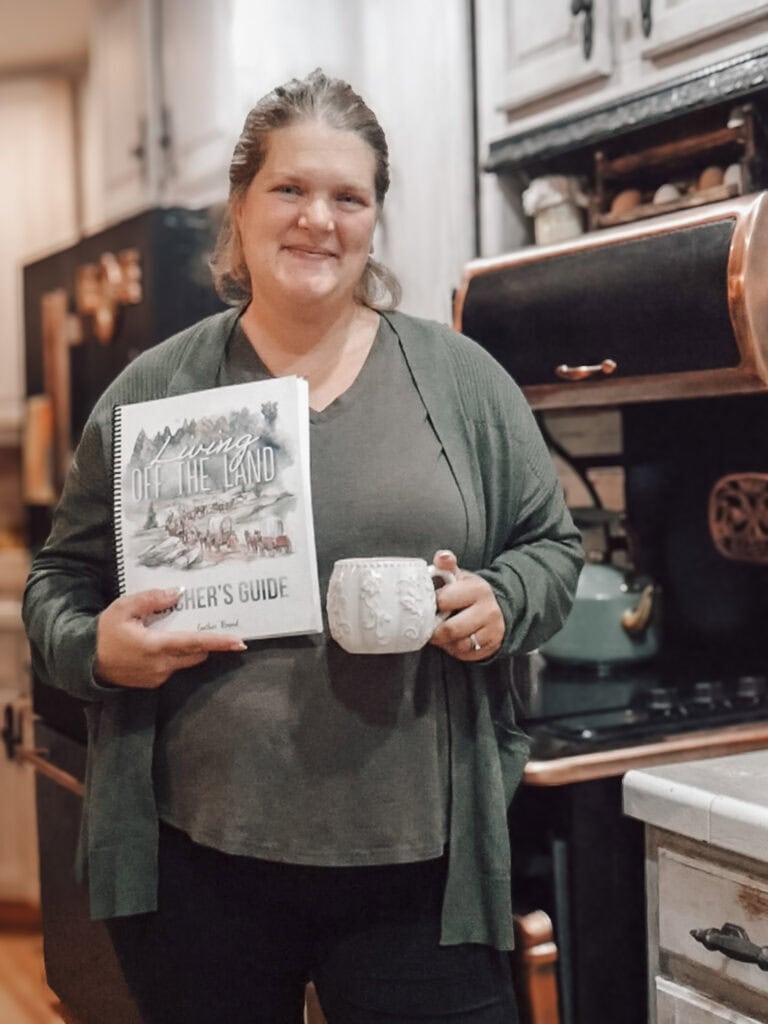
Looking for a Pioneer Unit Study? Gather Round’s Living Off the Land Review
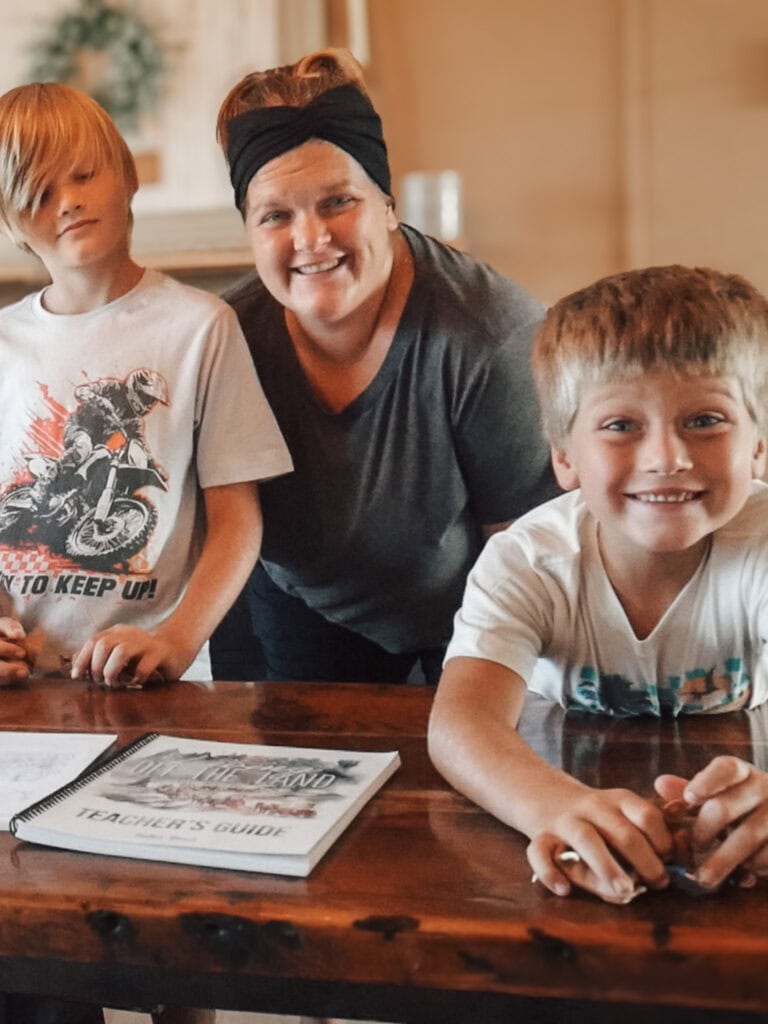
Our First Day of Homeschool 2026 | Beginning Another Year with God
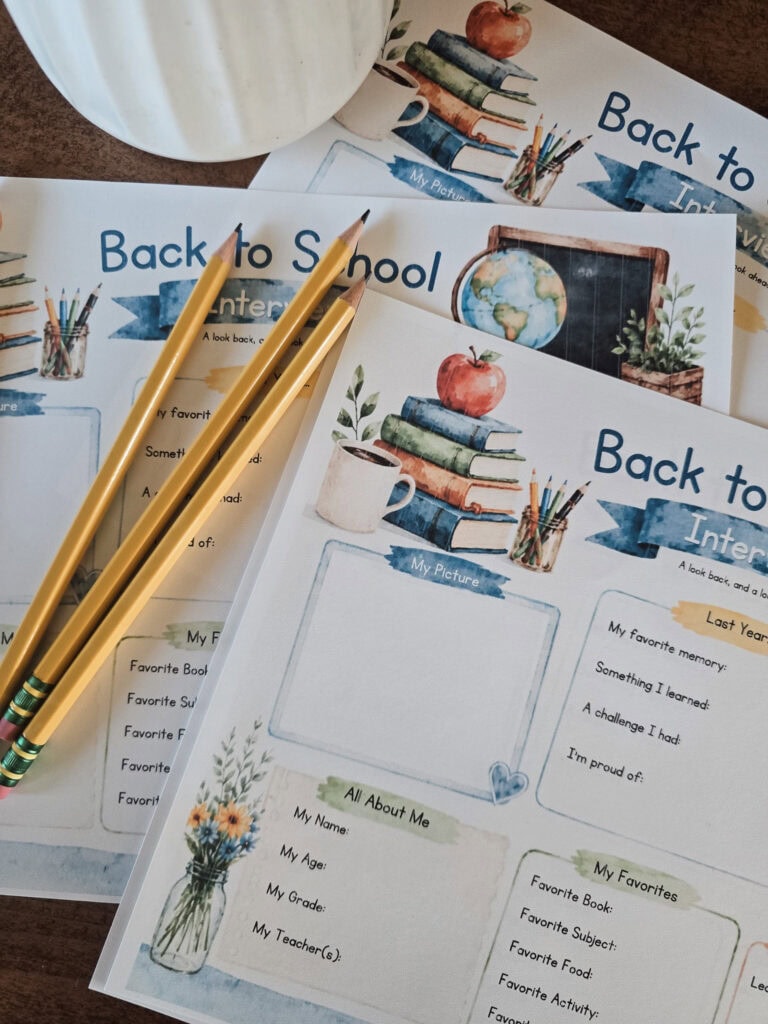
Back to School Interview Printable: A Fun First Day of School Tradition
Don’t Forget to Pin for Later