Discover the lost art of making do with what you have. From homemade pumpkin seeds to beeswax candles and fresh butter, let’s embrace simple, old-fashioned ways of making the most of what God has provided.
Today the kitchen smells of pumpkin, cinnamon, and sugar. The boys carved pumpkins with Dan this weekend, and rather than simply throwing everything away, I’m taking some of those pumpkin seeds and turning them into a little something sweet for the family.
I don’t have much of a recipe for these. It’s really just pumpkin seeds, a little oil, salt, cinnamon, and brown sugar. I’m going to spread them out on a baking sheet and bake them at 300 degrees for about 40 minutes, stirring them a few times as they bake. It’s one of those simple little treats that makes the house smell wonderful, and it gives us a reason to use something we might otherwise have thrown away.
I’ve been thinking lately about how accustomed we’ve become to throwing things away. We carve pumpkins, scoop out the insides, separate the seeds, and often the seeds end up in the trash. But there’s something rather wonderful about taking what might have been considered the leftovers and turning it into something useful.
And it got me thinking about something that I believe we’ve lost a little bit of in our modern lives: the art of making do with what you have. And that’s what we’re going to chat about today. It seems like prices are soaring, taxes are increasing, and the average family is really having to think about cutting back. But what if we started doing what our ancestors did and making do with what we have? Maybe it’s not just making do; maybe it’s thriving with what we have. Let’s chat. Welcome to Healing Home. I hope you are encouraged and inspired by your time here.
for that indeed is what you are doing to all the brothers throughout Macedonia. But we urge you, brothers, to do this more and more, and to aspire to live quietly, and to mind your own affairs, and to work with your hands, as we instructed you, so that you may walk properly before outsiders and be dependent on no one.
1 Thessalonians 4:10-12 ESV
The Art of Making Do
Our ancestors understood something that we’ve become rather disconnected from. They knew how to make a little go a long way. They understood that food, materials, and the provisions they had on hand were worth using well.
When you had limited resources, you learned to be resourceful. You didn’t necessarily run to the store because you were missing one ingredient or needed something new for the house. You learned to work with what was available to you.
I don’t think this means that every aspect of the past was better or that we need to recreate every old-fashioned way of living. But I do think there is something worth recovering in the way previous generations approached their homes.
They knew how to stretch a meal, mend clothing, reuse materials, preserve food, and make something useful out of what others might have considered waste.
I sometimes wonder what our great-grandmothers would think if they could see how much we throw away today. We live in a society where almost everything is readily available, and because of that, I think we’ve lost some of our appreciation for what we already have.
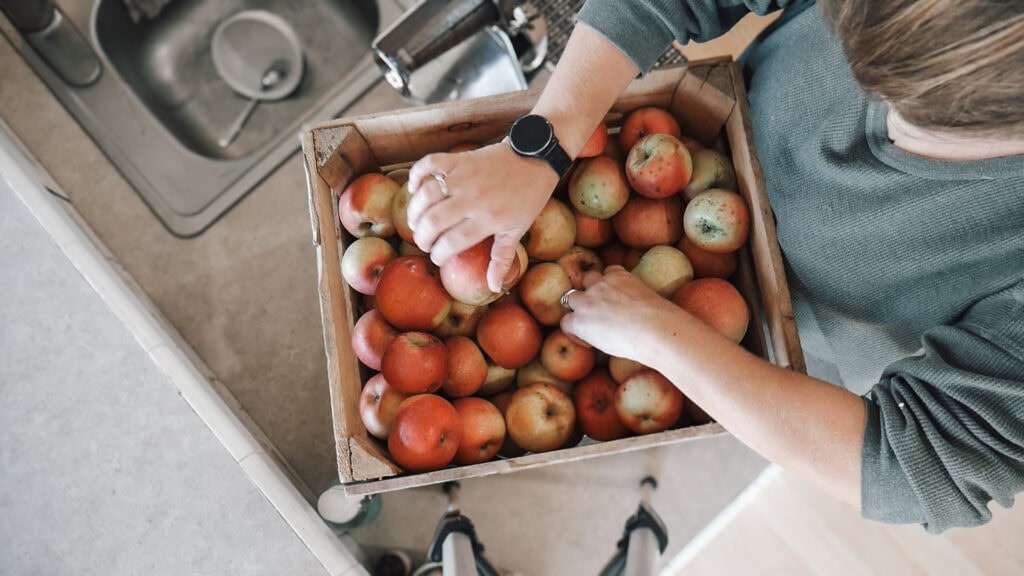
We’ve become accustomed to consuming, replacing, and purchasing. Growing up, my mom was great at preserving the abundance that we had. We always had a garden, and there were always things being preserved from it. I absolutely detest canning, but I do it occasionally, making room in my life for it when I have the produce that needs to be preserved no other way. My kids have recently discovered our 2025 batch of apple sauce that we preserved. We ate so much of it at first that they got bored of it, but now they are going through it like it’s candy!
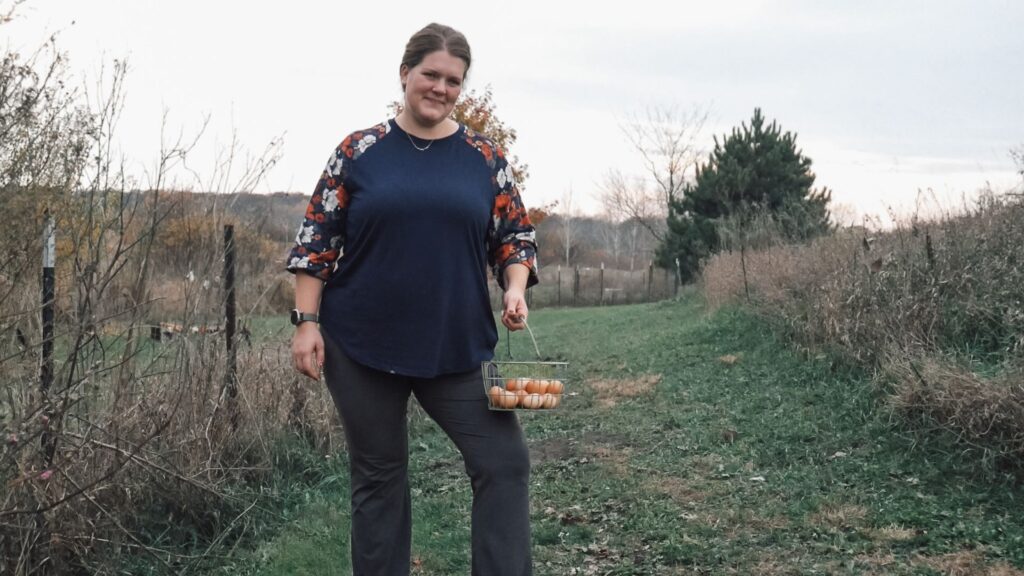
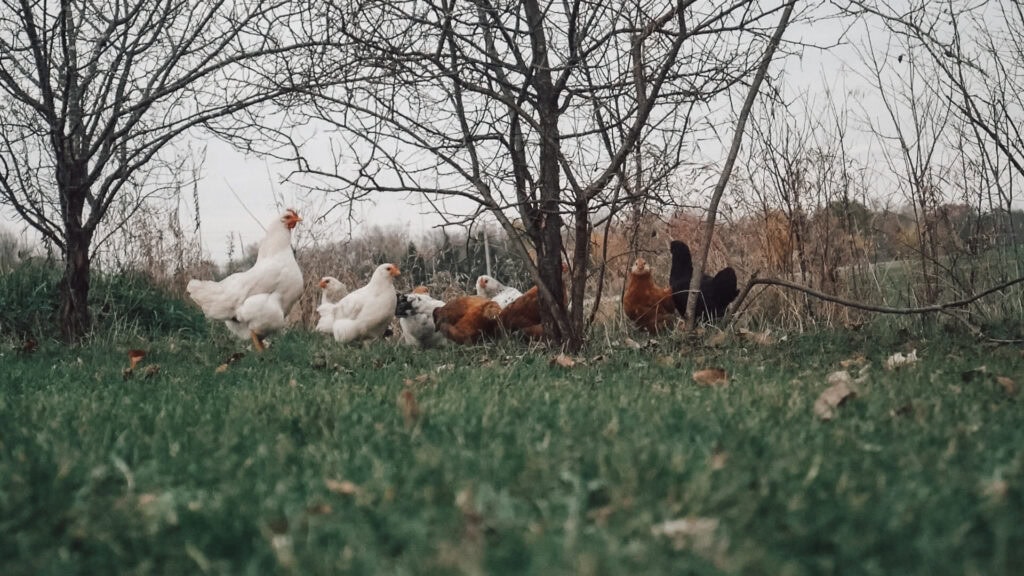
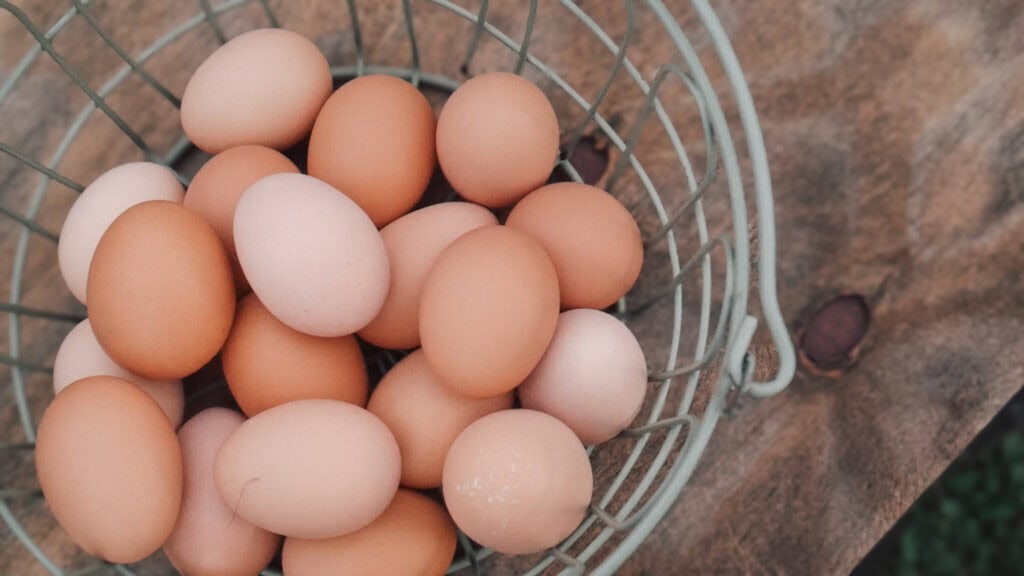
There are so many ways to preserve food, though, and I think we often get too hung up on canning as the only method. This summer I intentionally froze our surplus of eggs we were getting from our chickens for specific recipes. I froze them according to recipes that my family loves. For example, I froze up 8 eggs at a time for our puff pancake r
And sometimes I think we forget that a good life doesn’t necessarily mean having more. It means learning to make the most of what God has placed right in front of us.
Using What We Already Have
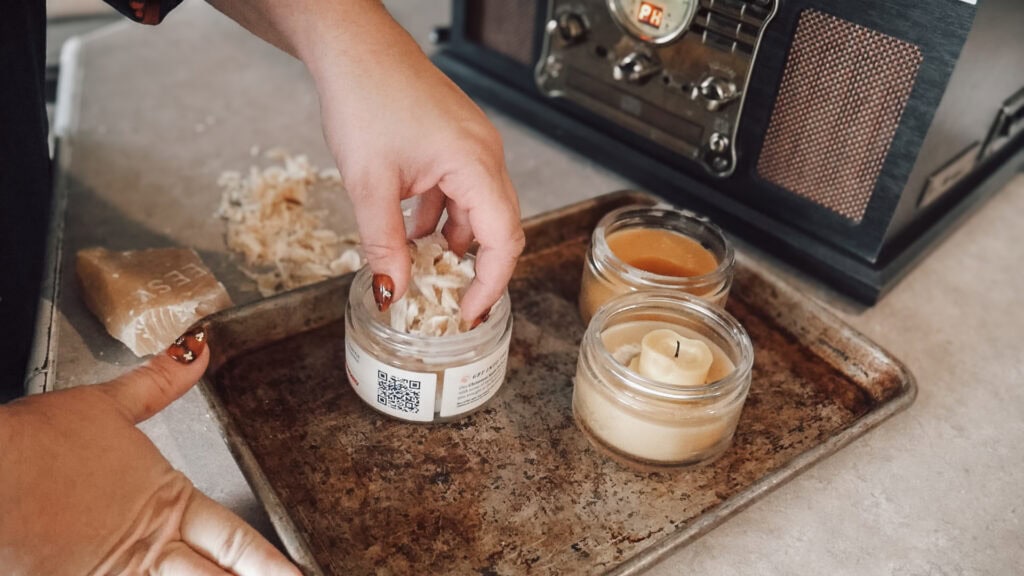
Since the oven is already hot, I’m going to melt down some beeswax that I’ve been storing and make a few candles.
I really don’t overcomplicate candlemaking. I take leftover beeswax, melt it down into whatever container I plan to burn the beeswax in, add a wick and a few drops of essential oil, and let them set. That’s really about it. I find that there is always leftover wax in candles that I get, and this time around I even had beeswax I found from many years ago when I was experimenting with making my own makeup.
I’ll often use Plant Therapy essential oils for projects like this. They are actually included in my Christmas gift guide this year, along with gift guides for holiday decor, men, women, and children. So if you’re looking for some ideas for the holiday season, you can find those linked below.
But back to the candles. I love having candles burning this time of year. It’s cozy, reflective, and feels like the holidays are approaching. I still love my Papa Bear Naturals tallow candles that I’ve raved about, but when I can’t get my hands on those, beeswax is often the direction that I turn.
We don’t always need to purchase something new. Sometimes we already have the materials to make what we need. And even when something isn’t quite as convenient as purchasing a finished product, there can be a lot of satisfaction in making it yourself.
Making Butter From Our Farm Milk
Another little thing I’ve been trying to do lately is utilize more of the milk that we get from a local farm.
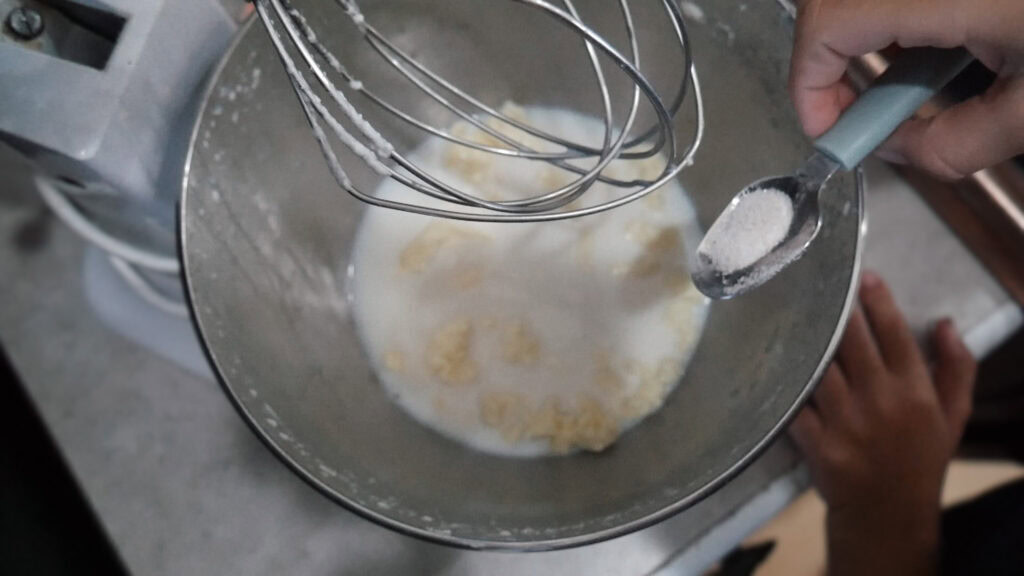
I get milk from a local farm every week, and the boys absolutely love it when I make butter from the cream. I started doing this during our pioneer unit we did this fall, and my secondborn in particular was fascinated by everything that’s possible to do with milk. He begs every time we pick up milk if we can separate the cream and make butter. I don’t do this every time we get milk, but when I have the motivation, I’ll scrape the full cream off the top and set it aside.
There is so much that can be done with milk, and I’m trying to get better about separating the cream, using the buttermilk, and still having plenty of drinking milk for the boys and for cooking. It’s another one of those little ways to make the most of what we already have.
There’s something about working with whole ingredients and seeing how many different things you can make from them that I really enjoy.
I don’t want to give the impression that I’m doing everything from scratch all the time. I’m certainly not. There are plenty of days when convenience wins, and I’m grateful that we live in a time when certain things are readily available.
But I do think it’s good to occasionally slow down and remember that we can do more with what we have than we sometimes realize.
Three Tips for Making Do With What You Have
I think this is where our modern consumerism mindset can get us into trouble. We’re constantly being told that we need something else. A new kitchen gadget, a better home, a different set of decorations, another product that promises to make our lives easier or more beautiful.
And while there’s nothing inherently wrong with purchasing something useful or enjoying beautiful things, I think we can become so accustomed to looking for what we don’t have that we overlook what is already in front of us.
We can end up spending money to solve problems that a little creativity, patience, or resourcefulness might have solved. So one thing I’ve been trying to practice is simply shopping my house first. Before I go out and purchase something, I’ll take a look at what I already have. Can I repurpose something? Do I have something tucked away that would work just as well? Sometimes we have far more than we realize; we’ve just forgotten about it.
Another thing is learning to pause before spending. We’re so accustomed to instant gratification that we don’t always give ourselves time to consider whether we actually need something. I’ve found that waiting a few days before making a purchase can make a big difference. Sometimes I realize I didn’t need it at all, and other times I find a way to make do with something I already own.
And lastly, I think we’ve lost a little of the art of preserving abundance. When we have something in excess, whether it’s garden produce, farm milk, seasonal fruit, or even the pumpkins we’re carving, how can we make the most of it? Can we preserve it, share it, repurpose it, or find another use for it rather than letting it go to waste?
I want my boys to grow up understanding that a good life isn’t measured by how much we own. I want them to know how to make something with their hands, how to use what they’ve been given, how to stretch a meal, and how to find satisfaction in ordinary work.
I want them to understand that there is value in learning to make do, not because we are living in inadequate means or because we can never enjoy something new, but because we don’t need to constantly acquire more to live a full and meaningful life.
And perhaps that’s one of the greatest gifts we can give our children: teaching them contentment.
Learning to Be Content With What God Provides
“But godliness with contentment is great gain.” 1 Timothy 6:6 ESV
I think about that verse when I consider the way we approach our homes and our everyday lives. Contentment isn’t something that comes from having everything we want. It’s something that grows as we learn to be grateful for what God has provided.
And I think there’s a connection between contentment and resourcefulness. When we learn to appreciate what we already have, we’re less likely to spend our days chasing after the next thing.
We begin to see the possibilities in ordinary things. A pumpkin becomes a little treat for the family. Leftover beeswax becomes candles for the home. Cream from the milk becomes fresh butter.
These aren’t extraordinary accomplishments. They’re just little things happening in an ordinary kitchen.
Living well doesn’t necessarily mean having more. It means learning to make the most of what God has placed right in front of you. And I think that’s an art worth recovering.
Don’t Forget to Pin for Later!